

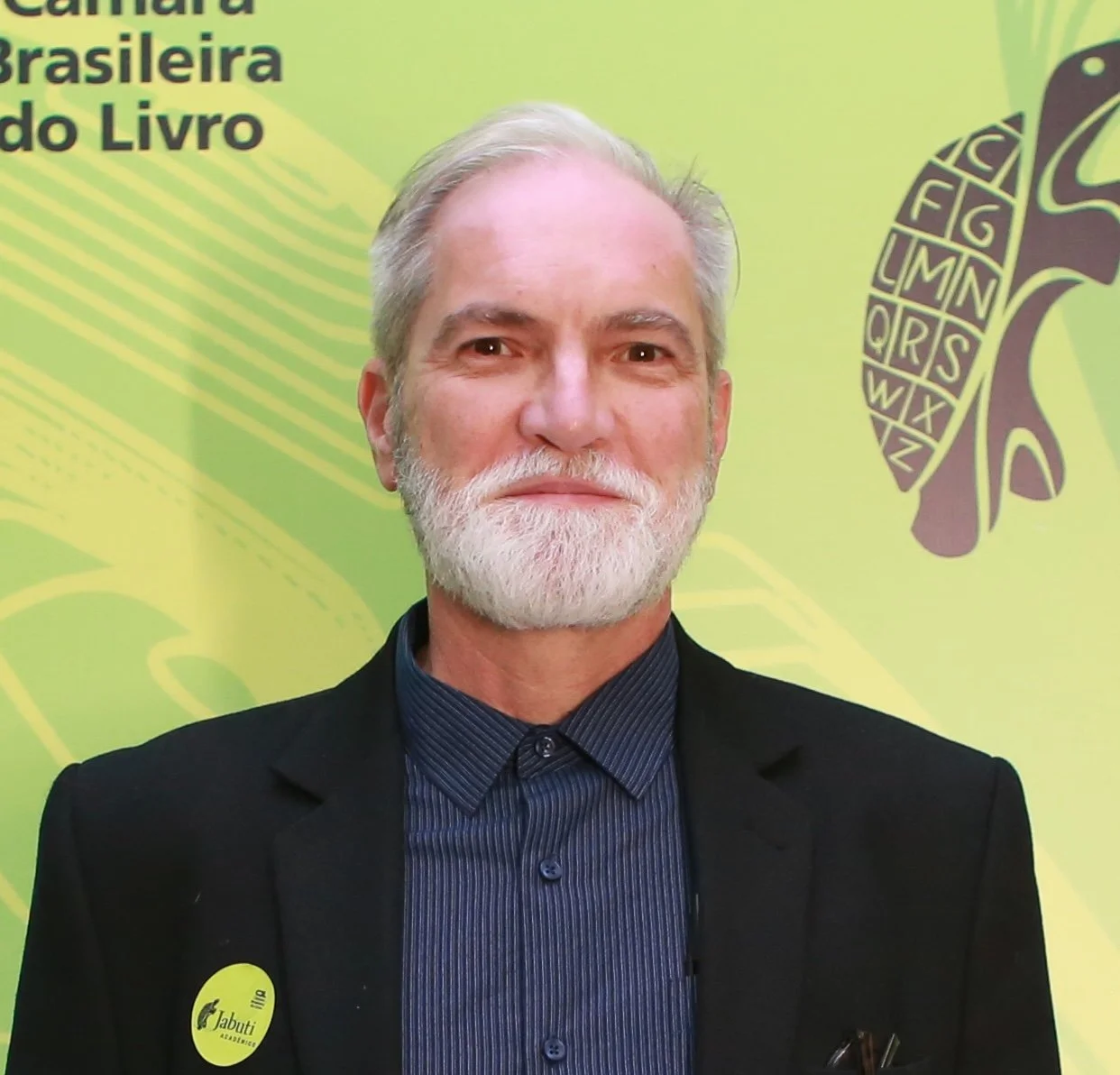
GABRIEL PERISSÉ
Gabriel Perissé is a Brazilian philosopher, theologian, educator, translator, therapist, and award-recognized author. He holds advanced degrees in Brazilian literature, theology, and philosophy of education, and has written extensively on education, language, ethics, spirituality, and human formation. His work brings intellectual depth and accessible prose to questions at the intersection of faith, culture, freedom, and personal maturity.
Over several decades, Perissé has published books for general readers, educators, students, and Christian audiences, while also translating works from English, French, and Spanish into Portuguese. His writing is marked by intellectual breadth, linguistic precision, moral seriousness, and an unusual capacity to make complex ideas both clear and engaging.
LIVREPRESS and GABRIEL PERISSÉ
A clear-eyed, deeply humane examination of how religious authority becomes a weapon—and how believers can recover discernment, freedom, and a healthier image of God. The title itself called our attention.
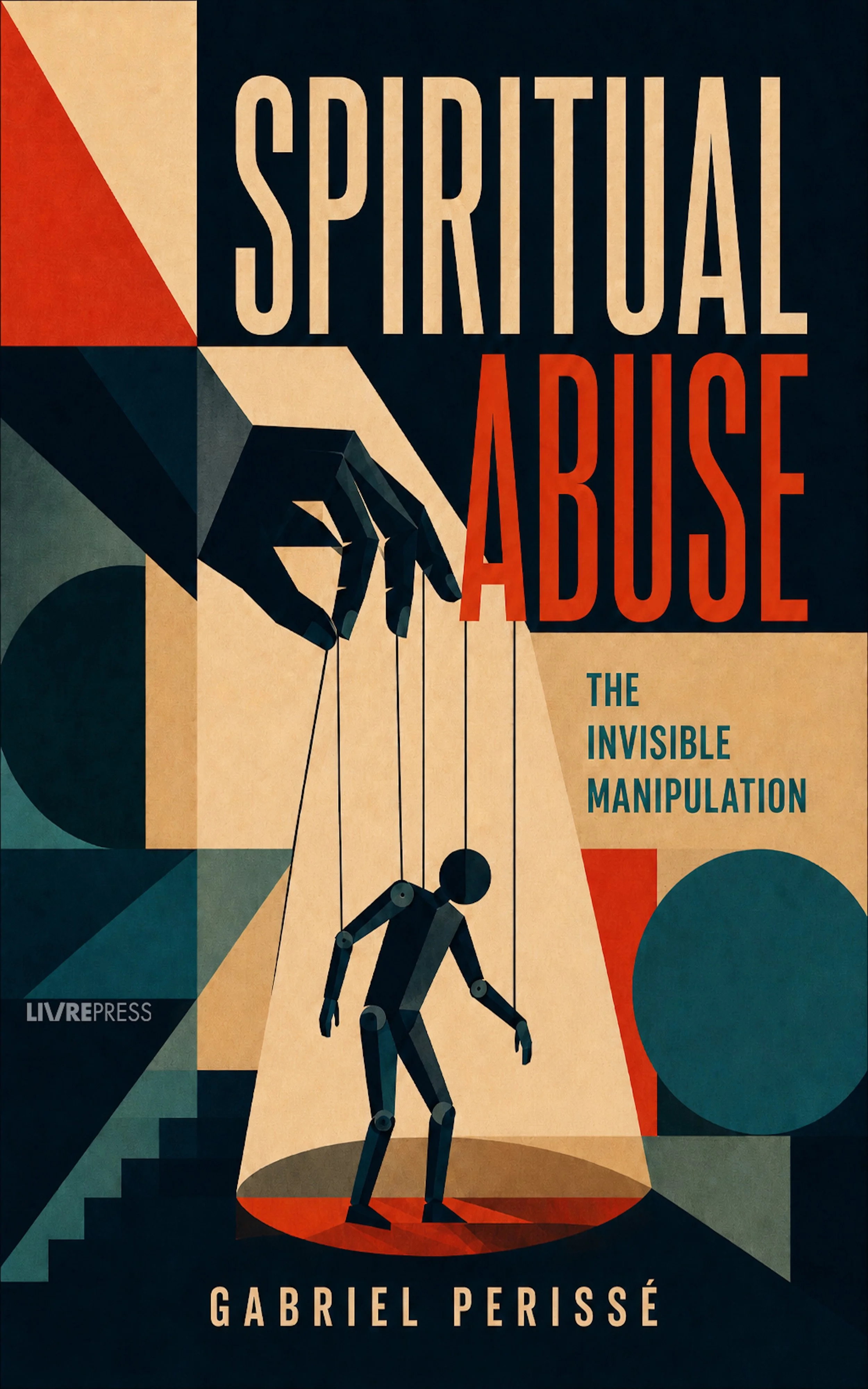
In Spiritual Abuse: The Invisible Manipulation, Brazilian philosopher, theologian, professor, and author Gabriel Perissé examines this concealed form of violence with intellectual rigor, moral clarity, and humane compassion. Drawing from theology, psychology, philosophy, history, literature, and documented patterns of religious coercion, he identifies the tactics used by abusive leaders and communities: manufactured fear, claims of supernatural authority, emotional blackmail, isolation, infantilization, excessive discipline, cults of personality, fanaticism, and fundamentalism without foundation.
Perissé does more than name the abuse. He explores why intelligent and sincere people can become vulnerable to manipulative systems, how spiritual violence can open the door to psychological, financial, physical, and sexual abuse, and why the deepest injury may be the distortion of the victim's relationship with God. He refuses both naïveté and cynicism. Religious experience can become destructive, but the answer is not necessarily to abandon every form of faith, community, or transcendence.
The way forward is discernment: the courage to think, question, recognize manipulation, recover personal agency, and rebuild a spirituality grounded in freedom, mercy, reality, and love. For survivors, pastors, counselors, ministry leaders, theologians, and anyone seeking to understand coercive religion, Spiritual Abuse offers language for what has often remained invisible—and a path toward a faith that humanizes rather than enslaves.