
Do You See Me?
The Stigma of Color: How Racismo Violates the Two Great Commandments is a book for every Christian who wants to understand the roots of racism, its consequences, and how we can confront it in the Church and in society.
Although the Bible clearly teaches that all human beings possess inherent dignity because they are created in the image of God, the Church of Christ is not immune to a structural problem that continues to afflict society: racism — a subject still insufficiently explored among Christians.
The Stigma of Color incisively demonstrates how racism violates Christ's two greatest commandments — “Love the Lord your God with all your heart” and “love your neighbor as yourself” — addressing the mess such as slavery, colonialism, violence against women, resentment, and social inequality.
Drawing on the witness of Scripture and a wide theological canon — from Esau McCaulley and Jemar Tisby to C.S. Lewis, Miroslav Volf, Angela Davis, and Martin Luther King Jr. — Jacira Pontinta Monteiro argues that the biblical approach is the only one capable of avoiding extremism: “I know I will only find my footing when I am more like Jesus and less likeJacira.”
This book demonstrates that denouncing racism as sin is not enough. We must act in defense of human dignity — intentionally and integrally. After all, it is impossible to love God, whom we cannot see, if we are incapable of loving our neighbor who cries out before our eyes.
The roots of racism in the doctrine of the fall and colonization
The Church's historical complicity in slavery and injustice
The exclusion of Black women from models of biblical femininity
The "Cain Syndrome": indifference toward the suffering neighbor
Anger, resentment, and the biblical path forward
Practical steps for churches seeking racial reconciliation
“Black lives matter because Christ said so — not because a social movement said so.” — Jacira Pontinta Monteiro





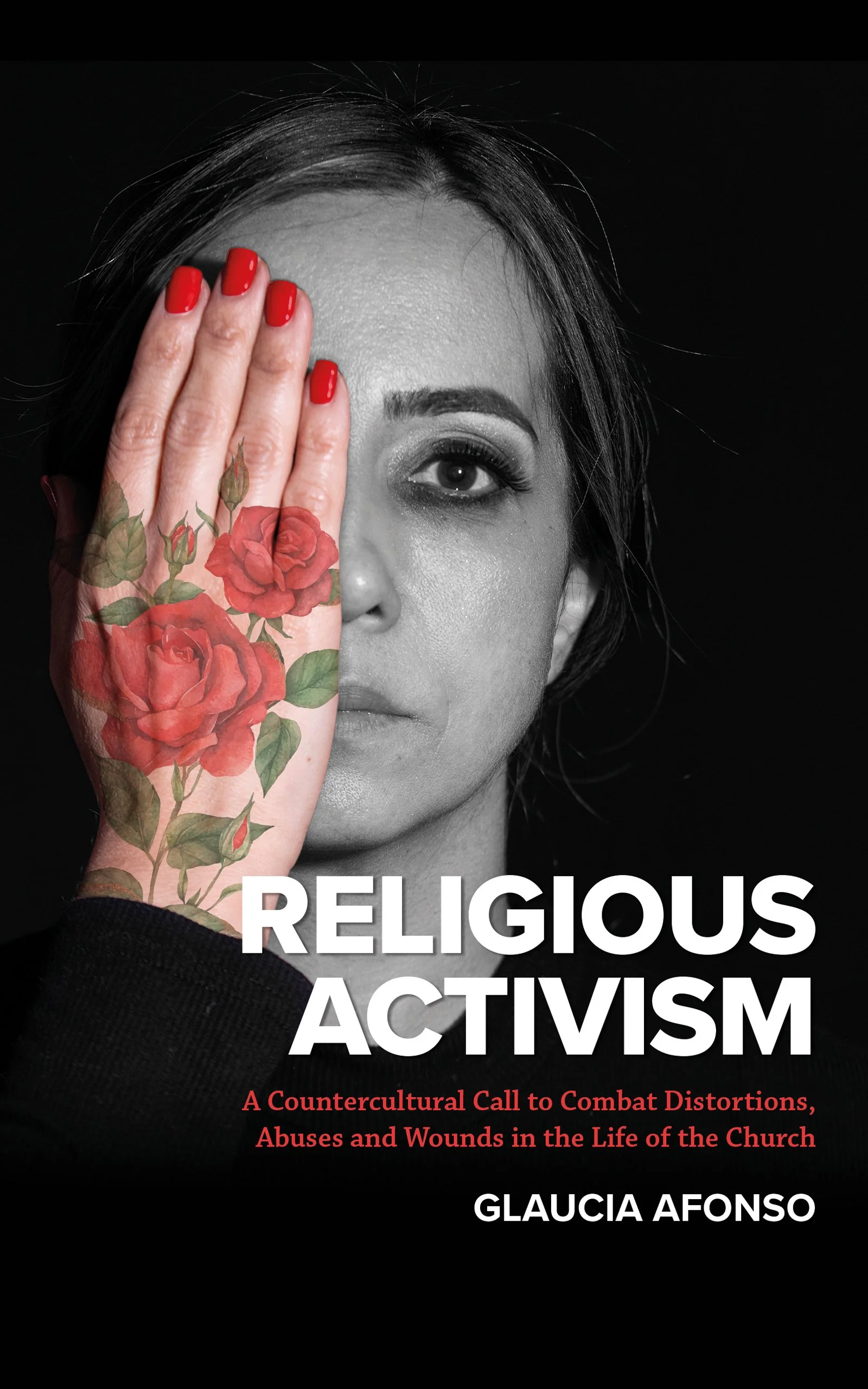
When associated with religion, the term “activism” stands out for its turbulent nature, which is responsible for seriously causing God's ministers to be sick, those who experience high levels of stress, burnout, fragile relationships and even suicidal ideation. Besides, this overdose of agendas opens the door to actions marked by various forms of abuse. This book is an invitation to formally review the corruptible part of the religious system and the patterns of interaction between the church and God and the church and its processes, as it welcomes with accountability survivors of abuse.




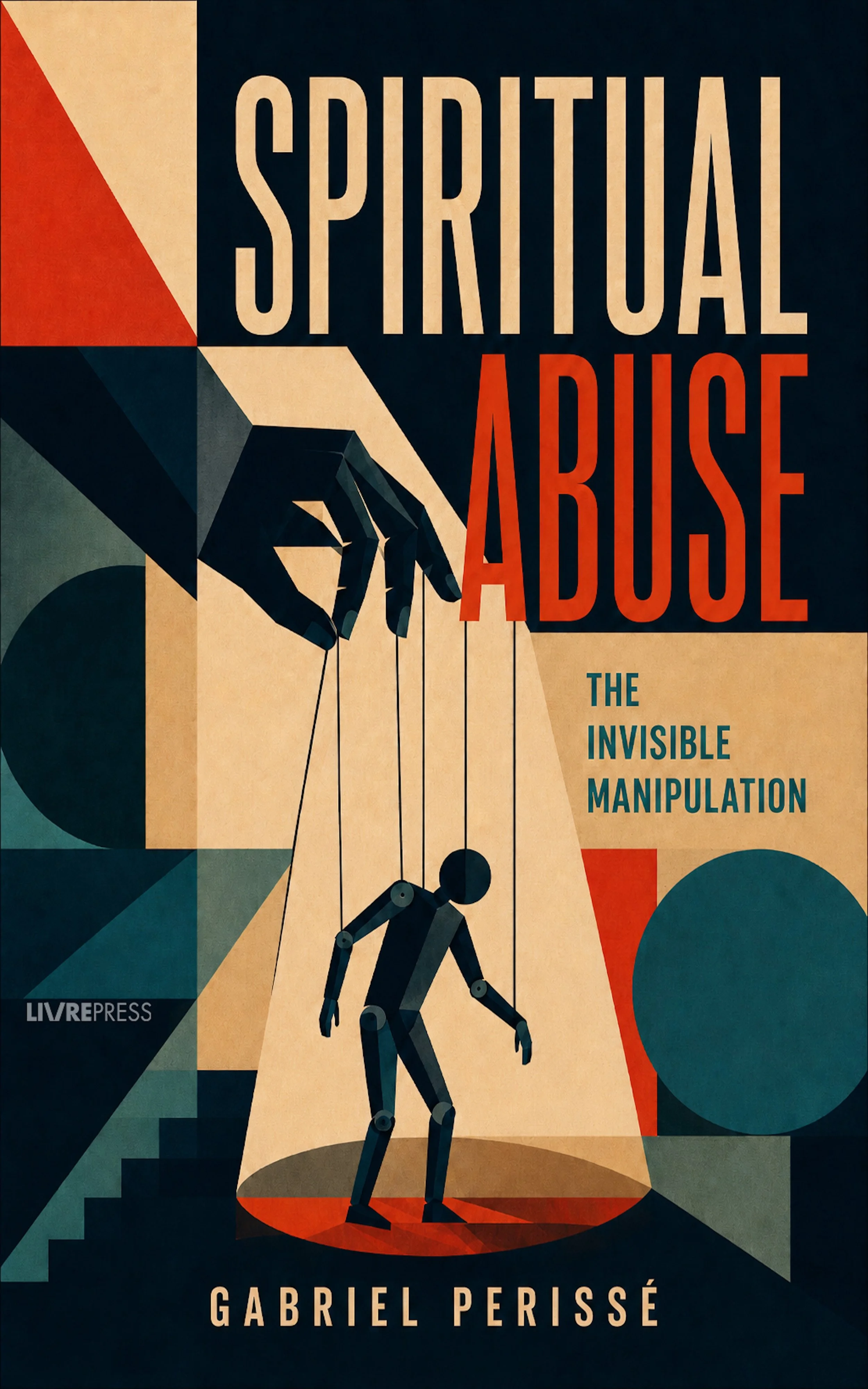
In Spiritual Abuse: The Invisible Manipulation, Brazilian philosopher, theologian, professor, and author Gabriel Perissé examines this concealed form of violence with intellectual rigor, moral clarity, and humane compassion. Drawing from theology, psychology, philosophy, history, literature, and documented patterns of religious coercion, he identifies the tactics used by abusive leaders and communities: manufactured fear, claims of supernatural authority, emotional blackmail, isolation, infantilization, excessive discipline, cults of personality, fanaticism, and fundamentalism without foundation.
Perissé does more than name the abuse. He explores why intelligent and sincere people can become vulnerable to manipulative systems, how spiritual violence can open the door to psychological, financial, physical, and sexual abuse, and why the deepest injury may be the distortion of the victim's relationship with God. He refuses both naïveté and cynicism. Religious experience can become destructive, but the answer is not necessarily to abandon every form of faith, community, or transcendence.
The way forward is discernment: the courage to think, question, recognize manipulation, recover personal agency, and rebuild a spirituality grounded in freedom, mercy, reality, and love. For survivors, pastors, counselors, ministry leaders, theologians, and anyone seeking to understand coercive religion, Spiritual Abuse offers language for what has often remained invisible—and a path toward a faith that humanizes rather than enslaves.